Profil und Verantwortung
Profile and Responsibility
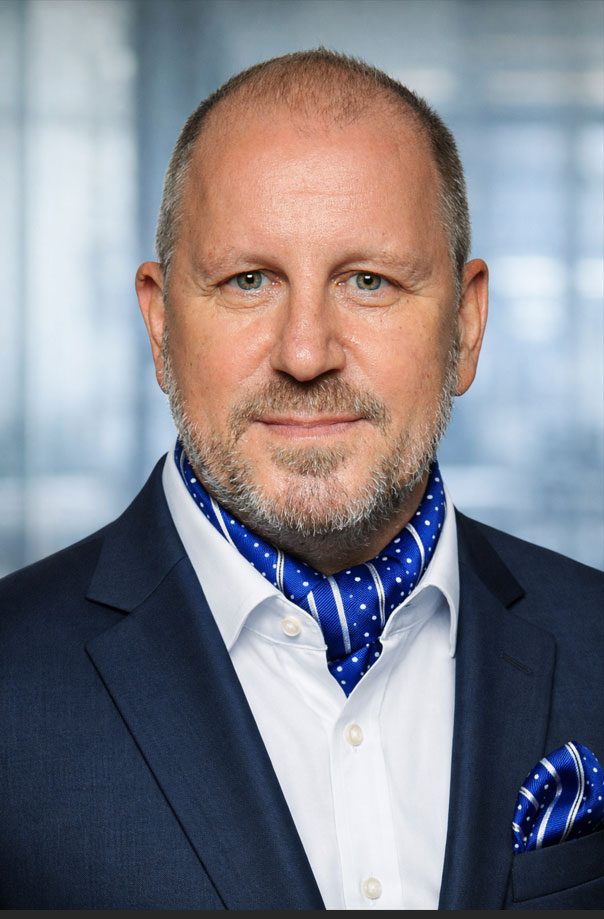
Thomas Fränkle, M. Sc., ist Initiator von Campus Baden, Institutsleitung des Campus Baden Instituts
sowie Vorsitzender des Verwaltungsrates des Campus Baden Studentenwohnheims. Beide Funktionen nimmt
er ehrenamtlich wahr.
Thomas Fränkle, M. Sc., is the initiator of Campus Baden, head of the Campus Baden Institute and
chairman of the administrative board of the Campus Baden Student Residence. He performs both functions
on a voluntary basis.
Campus Baden steht für die Verbindung von studentischem Wohnen, wissenschaftlicher Reflexion,
gesellschaftlicher Verantwortung und international anschlussfähiger Forschung. Der institutionelle
Gedanke folgt dem Ziel, Wohnen, Bildung, Forschung und Gemeinsinn in einem integrierten Campusmodell
zusammenzuführen.
Campus Baden stands for the connection of student living, scientific reflection, social responsibility
and internationally relevant research. The institutional idea follows the aim of bringing together
housing, education, research and civic responsibility in an integrated campus model.
„Campus Baden ist als verbindende Idee entstanden: ein Ort für Studierende, Forschung,
Verantwortung und Zukunftsgestaltung.“
“Campus Baden emerged as a connecting idea: a place for students, research,
responsibility and shaping the future.”
Beruflicher Hintergrund
Professional Background
Thomas Fränkle verfügt über langjährige Führungserfahrung in unterschiedlichen Rollen und
Verantwortungsbereichen. Dazu zählen Tätigkeiten als Versicherungskaufmann, Oberinspektor,
stellvertretender Bezirksdirektor, Unternehmensberater, leitender Softwareentwickler sowie
Unternehmer und Geschäftsführer.
Thomas Fränkle has many years of management experience in various roles and areas of responsibility.
These include positions as an insurance professional, senior inspector, deputy district director,
management consultant, senior software developer and entrepreneur/CEO.
Darüber hinaus war er als Steuerexperte, Sachverständiger und Gutachter tätig. In seiner beruflichen
Laufbahn unterrichtete er bundesweit Institutionen der gesetzlichen Krankenversicherung, entwickelte
eigenständig urheberrechtlich geschützte Softwareprodukte für Krankenkassensysteme und war in diesem
Kontext an ITSG-geprüften Informations-, Entgeltabrechnungs- und Meldesystemen beteiligt.
In addition, he has worked as a tax expert, expert witness and consultant. During his professional
career, he taught institutions of statutory health insurance throughout Germany, independently
developed copyright-protected software products for health insurance systems and was involved in
ITSG-certified information, payroll accounting and reporting systems.
Über mehrere Jahre wirkte er zudem als Chef-Consultant, Stabsstellenberater und Lehrbeauftragter
im Bereich Arbeitgeber-Services der gesetzlichen Krankenkassen. In dieser Funktion beriet und
qualifizierte er bundesweit Unternehmen, Organisationen und Verwaltungseinheiten bei strategischen
und fachlichen Fragestellungen.
For several years, he also worked as chief consultant, staff advisor and lecturer in the employer
services division of statutory health insurance institutions. In this role, he advised and trained
companies, organisations and administrative units throughout Germany on strategic and professional issues.
Akademischer Werdegang
Academic Background
Sein akademischer Werdegang begann mit einem Studium der Betriebswirtschaftslehre mit Schwerpunkt
Rechnungswesen, Steuern und Finanzen (1993–1997) in Hamburg und Düsseldorf. Anschließend war er
mehrere Jahre als Mittelstandsvertreter tätig, unter anderem als Bezirks-, Kreis-, Landes- und
Bundesdelegierter. 1999 kandidierte er für das Amt des Oberbürgermeisters der großen Kreisstadt
Stutensee. Von 2003 bis 2007 studierte er Wirtschaftsinformatik in Pinneberg und Stuttgart.
Von 2019 bis 2021 absolvierte er zudem ein Studium des Wirtschaftsingenieurwesens mit Schwerpunkt
Digital Business Management and Engineering in Köln und erlangte mit Prädikatsabschluss
(Note „sehr gut“) den akademischen Grad „Master of Science“, einschließlich Buchpreis.
Derzeit promoviert Thomas Fränkle im Bereich National Security im Rahmen der Vienna International
Studies (Wels/Wien) an der University of Library Studies and Information Technologies (ULSIT,
Bulgarien). Der Abschluss der Promotion ist für 2026 beziehungsweise Anfang 2027 vorgesehen.
Das Doktorat entspricht innerhalb der Bologna-Architektur dem Third Cycle (Stufe 3) und stellt damit
die höchste akademische Qualifikationsstufe dieses Systems dar.
His academic background began with studies in business administration with a focus on accounting,
taxation and finance (1993–1997) in Hamburg and Düsseldorf. He then worked for several years as a
representative of small and medium-sized enterprises, including roles as district, county, state and
federal delegate. In 1999, he stood as a candidate for the office of Lord Mayor of the large district
town of Stutensee. From 2003 to 2007, he studied business informatics in Pinneberg and Stuttgart.
From 2019 to 2021, he additionally completed a degree in industrial engineering with a focus on
Digital Business Management and Engineering in Cologne and obtained the academic degree of
Master of Science with distinction, including a book award.
He is currently pursuing a doctorate in the field of National Security within the framework of
Vienna International Studies (Wels/Vienna) at the University of Library Studies and Information
Technologies (ULSIT, Bulgaria). Completion of the doctorate is planned for 2026 or early 2027.
Within the Bologna architecture, the doctorate corresponds to the Third Cycle (Level 3) and thus
represents the highest academic qualification level of this system.
Campus Baden als Idee
Campus Baden as an Idea
Campus Baden wurde als eigenständige Idee entwickelt und steht heute für eine Verbindung aus
sozial verantwortlichem studentischem Wohnen und wissenschaftlicher Forschung. Der Name Campus Baden,
die Domain und die konzeptionelle Ausrichtung werden in diesem offiziellen Webauftritt zusammengeführt.
Campus Baden was developed as an independent idea and today stands for a connection between socially
responsible student housing and scientific research. The name Campus Baden, the domain and the
conceptual orientation are brought together in this official web presence.
Ziel ist ein Campusverständnis, das Studierenden Orientierung bietet, Forschung zugänglich macht
und gesellschaftliche Verantwortung nicht abstrakt, sondern praktisch erfahrbar werden lässt.
The aim is a campus concept that provides orientation for students, makes research accessible and
turns social responsibility into a practical and tangible experience.